

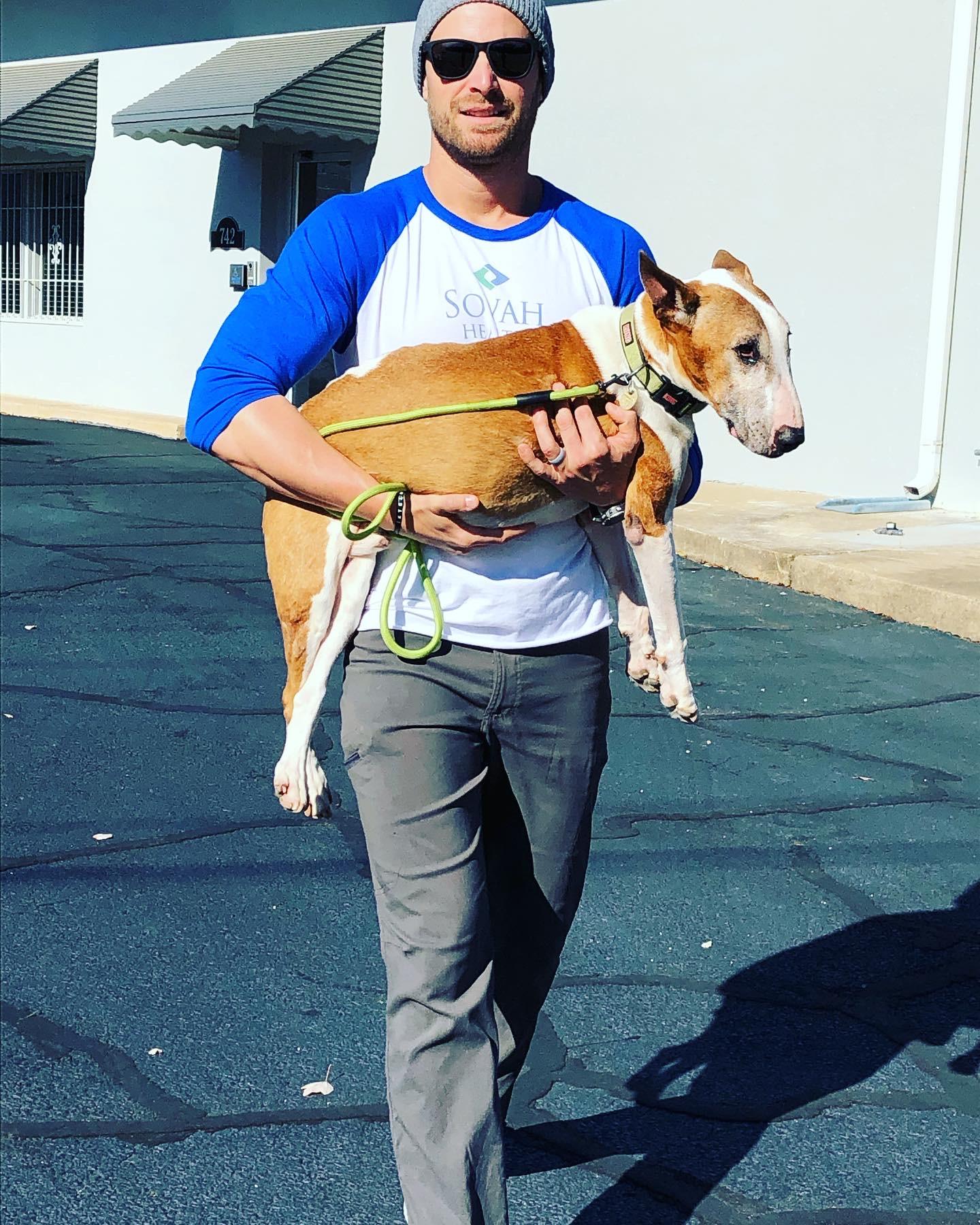

I remember the first time I ran a half marathon. I was undertrained, overdressed, and went out way too fast. I still finished — but I learned a lot of lessons the hard way. At The Brick, we've spent the last 14 years helping first-time half marathoners avoid those same mistakes. Here's the guide I wish someone had given me.
Start Where You Are
You don't need to be a runner to train for a half marathon. You need to be someone who can comfortably walk or jog for 30 minutes, three times a week. If that's you, a 12-16 week training plan will get you to the start line ready. If you're not there yet, spend 4-6 weeks building that base first. There's no rush — the races aren't going anywhere.
The 10% Rule (and When to Break It)
The golden rule of half marathon training is to increase your weekly mileage by no more than 10% each week. So if you're running 15 miles this week, aim for 16-17 next week. This prevents overuse injuries, which are the number one reason beginners don't make it to race day. That said, every third or fourth week should be a "cutback" week where you drop mileage by 20-30%. Your body gets stronger during rest, not during the runs themselves.
The Long Run Is Everything
Your most important workout each week is your long run. Start at whatever distance feels comfortable — even 3 miles — and add about a mile each week. By race week, you should have completed at least one run of 10-11 miles. You don't need to run the full 13.1 before race day. The adrenaline, the crowd, and proper taper will carry you those last couple of miles.
Run your long runs SLOW. I can't emphasize this enough. You should be able to hold a conversation the entire time. If you're gasping, you're going too fast. At our Brick group runs, we always have a "conversational pace" group for exactly this reason.
Gear Essentials
The non-negotiable: properly fitted running shoes. Come see us at The Brick and we'll analyze your gait and get you in the right shoe — whether that's a Brooks Ghost, HOKA Clifton, Saucony Ride, or something else entirely. Beyond that, invest in moisture-wicking socks (we love Swiftwick and Balega), a good sports bra if applicable, and anti-chafe balm for anything beyond 8 miles. Start experimenting with fuel — GU gels, Skratch chews, or Nuun hydration — during your long runs so you know what works for your stomach before race day.
Race Day Tips from 13 Years of Experience
- Don't wear anything new on race day. Not shoes, not shorts, not socks. Everything should be tested in training.
- Start slow. Your first mile should feel embarrassingly easy. Trust the process.
- Walk the aid stations. Grab your water, drink it, then start running again. You'll lose 10 seconds but save energy for the finish.
- Smile at mile 10. Seriously. It tricks your brain into thinking you're having fun, and suddenly those last 3.1 miles feel manageable.
Train With Us
Our Thursday group runs at 6:15pm are the perfect complement to your half marathon training. We have runners at every pace, and there's something about running with a group that makes the miles disappear. Stop by The Brick at 410 Main Street, and let's talk about your race goals. We'll help you pick a spring race, build a plan, and get you to that finish line feeling strong.